Whether your cat spends their time indoors, outdoors, or a little bit of both, knowing which plants are poisonous to cats can help you keep them safe.
Some common plants can cause serious problems if your cat chews on or ingests them, so it’s important to know what to watch for.
In this article, we’ll cover:
Common poisonous plants for cats
Symptoms of plant poisoning in cats
The difference between poisonous and toxic plants
Common toxic plants for cats
Ways to help protect your cat from dangerous plants
If your pet encounters a plant that you think is poisonous, call VEG ER for Pets. and speak with an emergency vet. We're open 24/7.
Common poisonous plants for cats pet parents should know
Many popular houseplants can be harmful to cats, and some may be more dangerous than you’d expect. Below, we’ll cover six common poisonous plants for cats, including what makes them dangerous and what pet parents should know.
This isn’t a complete list of toxic houseplants, so before bringing a new plant home, do your research to make sure it’s safe for your cat.
Top 6 poisonous plants for cats
Aloe plants
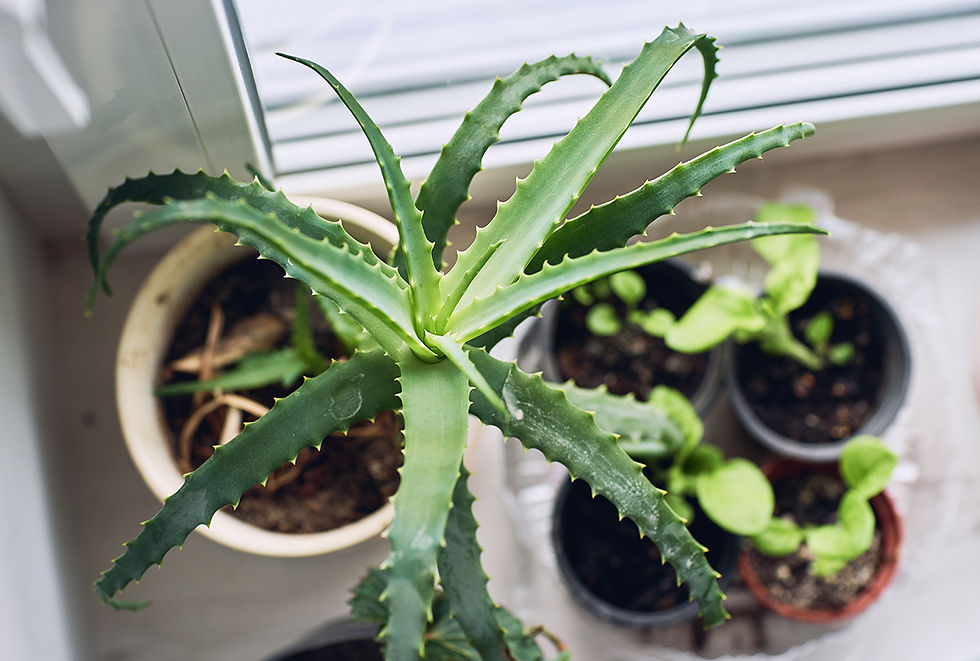
Aloe vera plants are a type of succulent that make popular options for small pots, but—they can be very dangerous to cats.
Although cats usually will not die from ingesting aloe plants, it can cause severe vomiting and diarrhea, which may lead to dangerous levels of dehydration if left untreated for too long.
Is aloe vera toxic to cats?
Aloe vera gel—which is naturally found inside the leaves of the aloe plant—can be used to treat minor burns, rashes, and insect bites, and the gel is considered non-toxic to cats. However, the plant’s sap is toxic, and easily mistaken for its gel. Best to avoid altogether.
Jade plants
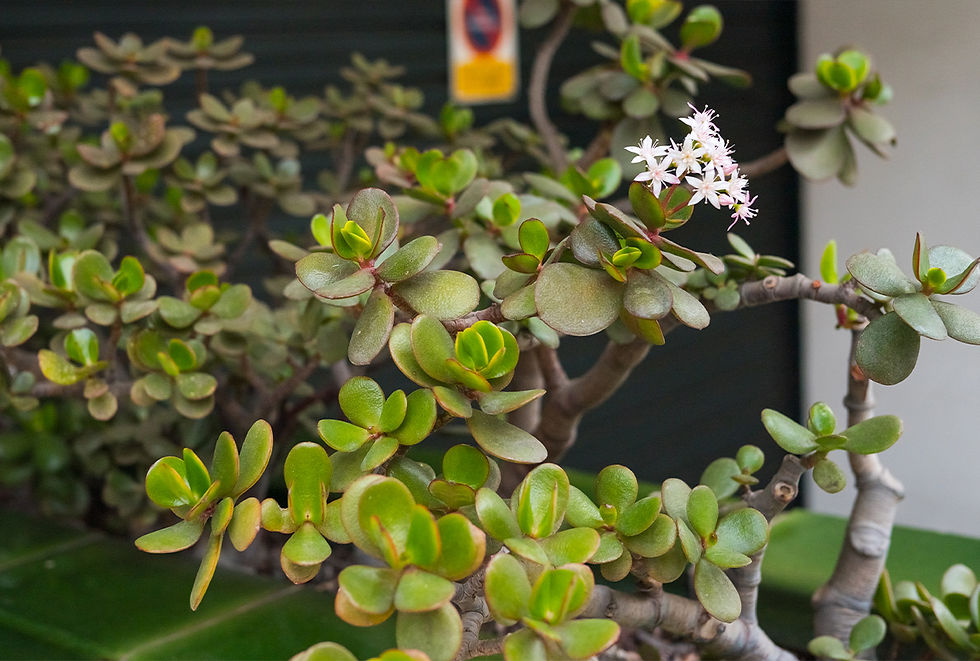
The waxy, dark green leaves of the jade plant make it a common choice for small pots in homes and offices. This plant comes in many varieties that all make striking statements in home décor. It is, unfortunately, also toxic to cats, and it can cause some mild to moderate symptoms if it is ingested by your feline family member.
Jade plants can cause lethargy, weakness, and vomiting if eaten by a cat. In more serious cases, they can also lead to a loss of coordination or confusion, although most cats will survive after ingesting this type of plant.
Lilies
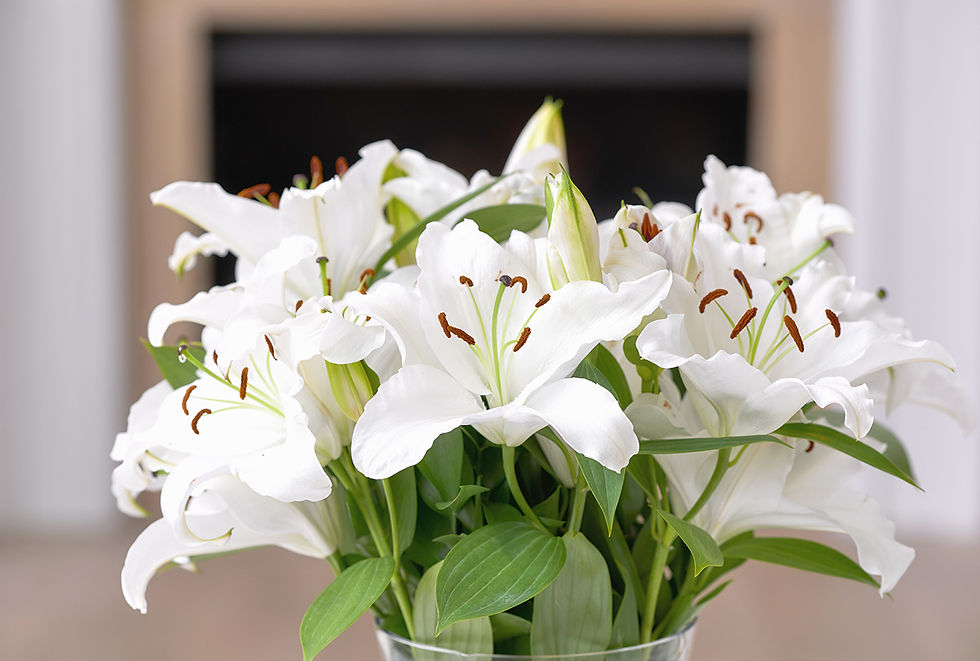
One of the most poisonous and toxic plants for cats are lilies.
There are many different types of lilies including Asiatic lilies, Daylilies, and Peace lilies. These plants are popular in gift bouquets and pots and may be easily accessible to cats because of this. They are commonly exchanged as gifts around the holidays, especially Easter.
Ingestion of lilies (even a small amount of pollen) can cause mild to severe signs. Examples of mild signs are nausea and vomiting or even irritation of the mouth and throat, which may lead to excessive drooling. In severe cases with certain lily types we can see kidney failure and even death. If you have cats in your household it is best to keep lilies out of the house.
It is possible for cats to die from ingestion of lilies, so stay away from this plant when choosing cat-safe options for your home. If your cat has been exposed, call an emergency vet as soon as possible to see what you should do.
Monstera plants
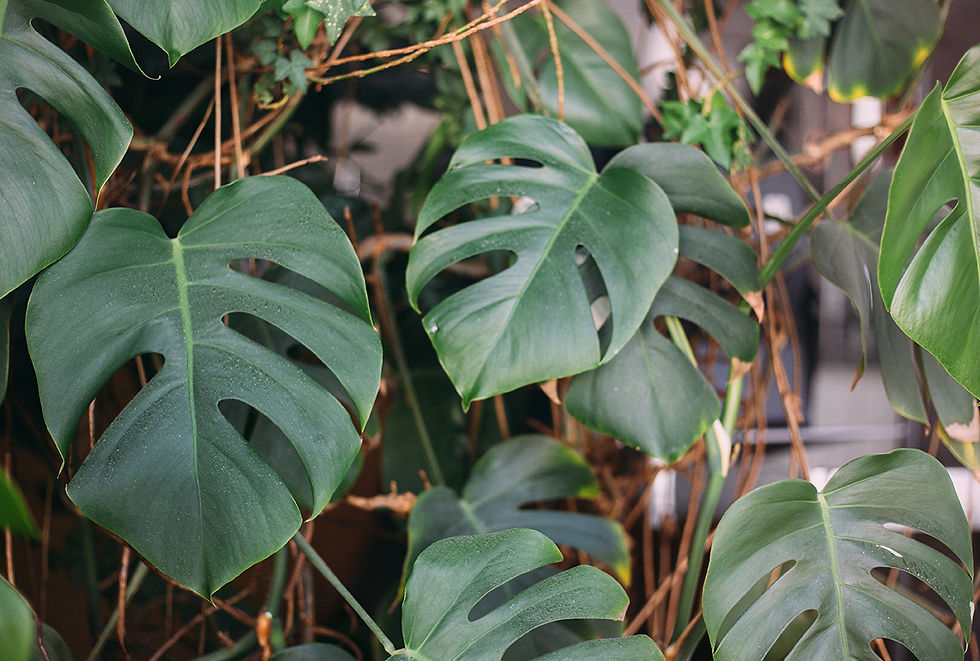
Monstera has become a popular houseplant and comes in several varieties. It is characterized by its large, paddle-shaped leaves that may sometimes have natural holes or cut-outs, leading to its common name, “Swiss cheese plant.”
If a cat chews on a monstera plant, this may lead to swelling of the mouth and gums as well as other types of mouth irritation. It may also cause extreme drooling and vomiting, which can in turn cause the cat to become severely dehydrated in a short amount of time. Cats usually will not die from monstera ingestion, but can become very sick from it.
Pothos plants
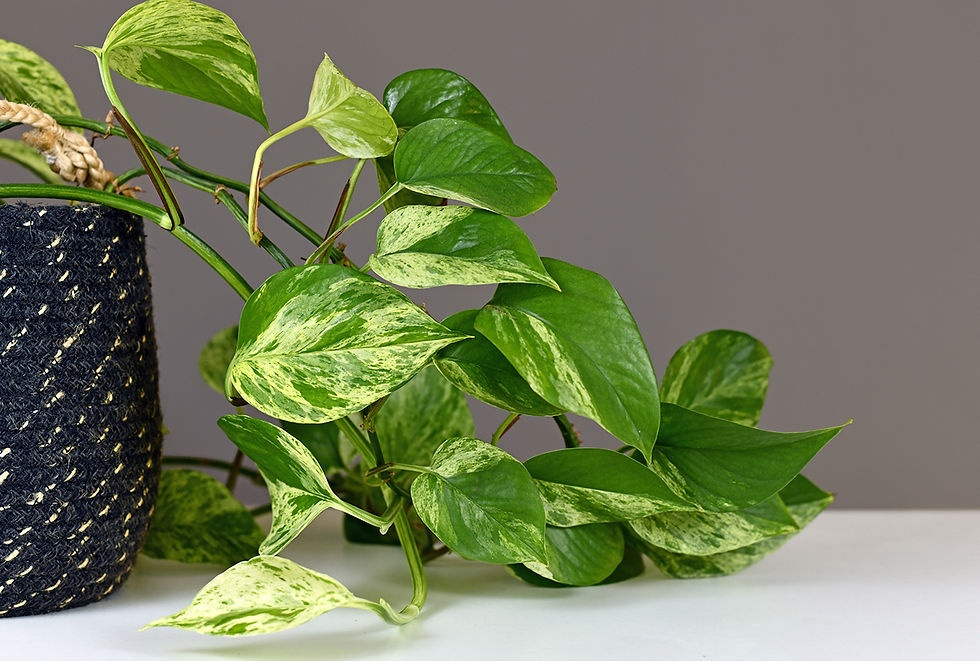
Pothos, like monstera, can be found in many households because it is easy to care for and creates a stunning visual appeal. This plant has long stems that sometimes drape over and out of its container, making it appealing to cats who like to chew on plants.
Ingestion of pothos can cause mouth irritation, intense burning and swelling in cats leading to excessive drooling. It may also cause vomiting and diarrhea. Most cats will survive eating some of a pothos plant, but they may become very ill in the process and will need to go to the vet for treatment of the symptoms.
English Ivy
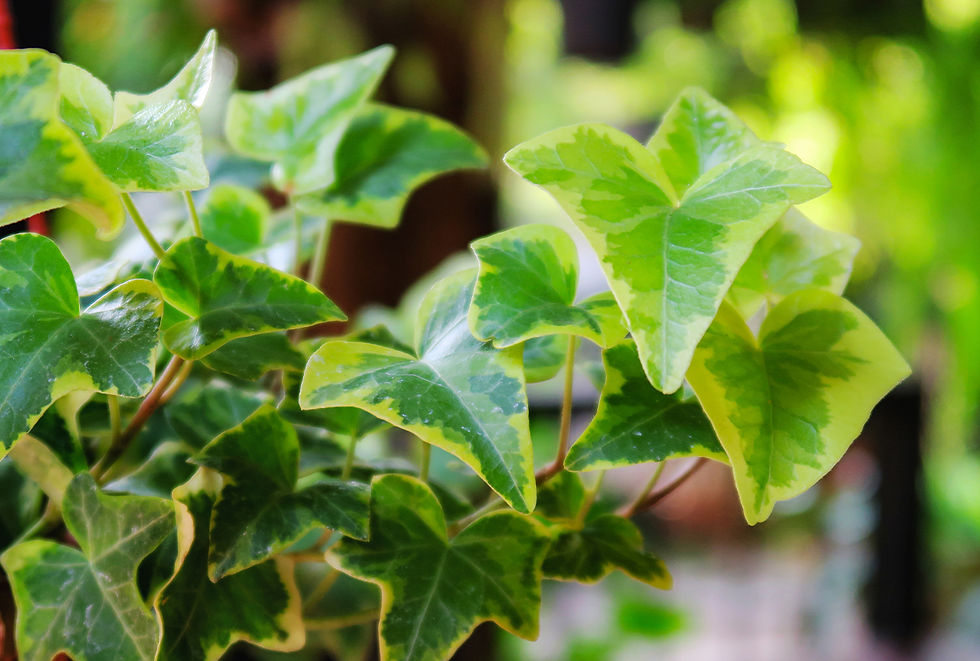
English ivy may look harmless, but it is actually quite dangerous for cats. This plant has long vines that sprout triangular dark green leaves with pale green trim. It is an attractive houseplant that also tends to attract cats to chew on its vines.
If a cat eats English ivy, they may experience vomiting, abdominal pain, hypersalivation, diarrhea so they will require veterinary care.
What’s the difference between a plant that’s poisonous and one that’s toxic to cats?
In veterinary medicine, the terms "poisonous" and "toxic" are often used interchangeably to describe plants that cause adverse reactions in cats, though "poison" traditionally implies a substance that causes systemic harm or death, while "toxin" refers to a biological poison.
Other houseplants that are poisonous and/or toxic to cats
This blog takes a deeper look at six common household plants that can cause toxic or dangerous symptoms in cats. Though, there are more than six plants to avoid if you're a cat owner. We recommend you always research a plant before taking it into your home if you have one or more cats. We have a helpful list of pet-friendly, non-toxic plants to help you get started.
If you own an outdoor cat, you'll also need to be careful as to which types you plant around your home and yard. This list will help you on your way to keeping your cat safe from toxic plants.
Indoor and outdoor plants that are toxic to cats:
Amaryllis - This flower is beautiful but can cause mild to moderate toxicity levels. A toxin called lycorine is the culprit and it's found in all parts of the amaryllis, not just the flowers.
Autumn Crocus - Mark this plant as pretty but poisonous. The toxin colchicine is extremely toxic to humans and pets.
Azalea - Often used in decorative landscaping due to its pretty flowers, the azalea is toxic to cats. Not just its colorful flowers, but the azaleas stems and leaves are toxic to cats too.
Begonia - Oxalate crystals present in begonias can cause severe mouth and throat irritation to cats. Other symptoms include drooling, vomiting, and difficulty swallowing.
Carnations - This common flower causes mild symptoms in cats if ingested, from mouth irritation to vomiting and diarrhea.
Cyclamen - Highly poisonous to cats, cyclamen can cause a range of symptoms from vomiting to heart problems and seizures.
Daffodils - The bulbs of this springtime flower are the most toxic to cats, but any part of the daffodil can cause symptoms if your cat eats it. Best to keep your cat away from daffodils.
Hyacinths - Like daffodils, the bulbs of the hyacinth plant is the most toxic to cats, however any part can cause symptoms. Even just breathing the air near the hyacinth can give your cat a toxic reaction.
Kalanchoe - keep the beauty of kalanchoe far away from your cat! If ingested, symptoms can range from gastrointestinal upset to heart problems due to cardio glycosides found in the kalanchoe.
Oleander - This bright pink flower is highly toxic to cats, as well as other pets. Pet owners beware: ingestion of oleander can be fatal.
Rhododendron - Grayantoxins in the rhododendron are the poisonous substance to your cat. This plant should be avoided, as all parts of the rhododendron are toxic to cats.
Sago Palm - A cat may love to play with the fronds of a sago palm plant, but beware: sago palm is poisonous to cats. If sago palm is eaten, symptoms can range from vomiting to liver damage to death in cats.
Snake plant - Like the sago palm, a cat may be curious about the snake plant's long leaves that stick up out of the soil. But keep your cat away from snake plants; they're toxic to cats and if ingested, can cause symptoms from vomiting to increased heart rate.
Tulips - Gorgeous tulips sprout up and everyone takes a look, even your cat! Know that every part of the tulip is toxic to your cat and cause signs and symptoms like gastrointestinal upset to lethargy to seizure and rapid heart rate.
Before bringing any plants into your home, make sure you do research to ensure they are healthy for your cat. With the help of this list, you should be better able to pick plants that are safe for your cat to be around. Make sure you know which plants to avoid for your cat’s safety and health, and pick safe plants moving forward.
If you do happen to already have a toxic houseplant in your home, consider rehoming it with a friend or moving it to your workplace instead. You may also keep it on a very high shelf or hanging from a ceiling hanger, but remember that cats can be persistent about getting to hard-to-reach locations.
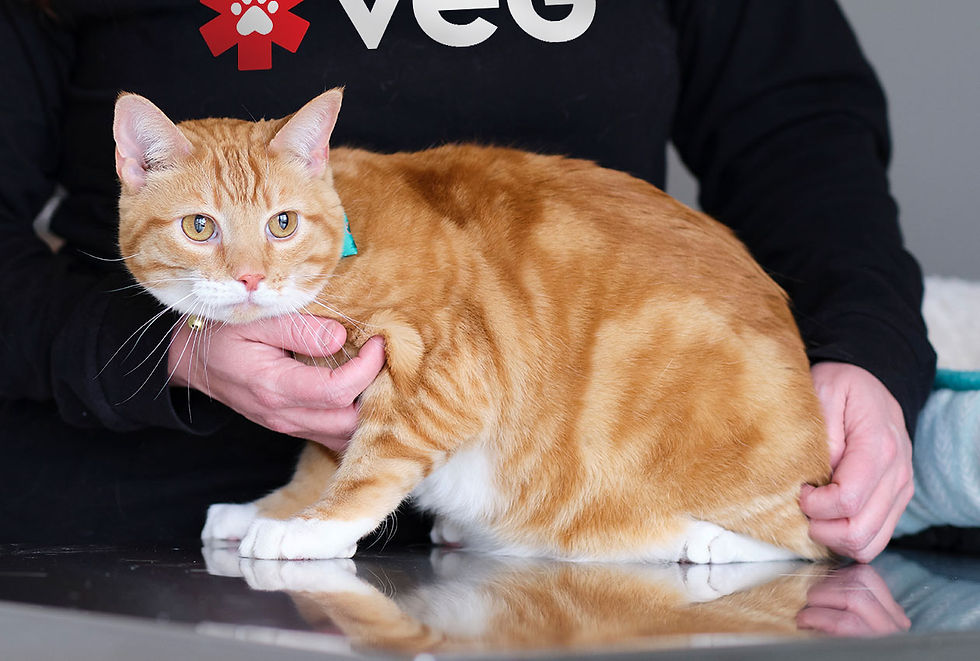
Cats & poisonous plants: when is it an emergency?
If you know that your pet has eaten any of the poisonous plants for cats mentioned above, or they are showing serious symptoms,call our team at VEG right away.
It’s important to know what to do next so that your pet can get the treatment they need as soon as possible. With many of our locations being open 24/7, and all of them being open 24 hours on weekends and holidays, you never have to wait to speak to an emergency vet when you need help. We’re here to answer all of your questions, and to give your cat the best possible care.